Order Preparation Workflow
A comprehensive examination of kitchen operations, from order receipt through to final packaging for delivery
The Kitchen Preparation Process
The order preparation workflow represents the foundational operational component of pizza delivery systems. This process encompasses everything from receiving and processing customer orders through to preparing, cooking, and packaging pizzas according to quality standards and customer specifications. Efficient kitchen operations are essential for maintaining delivery times, ensuring food quality, and providing consistent customer satisfaction.
Modern pizza preparation systems combine traditional culinary techniques with digital order management, quality control protocols, and standardized procedures to create a reliable and scalable production process. Understanding this workflow provides insights into food service operations management, quality assurance systems, and the integration of technology with traditional food preparation methods.
Dough Preparation and Foundation
The preparation process begins with dough handling, which forms the foundation of every pizza. Proper dough preparation involves multiple steps including mixing, fermentation, portioning, and shaping, each requiring specific techniques and timing to ensure optimal texture and quality.
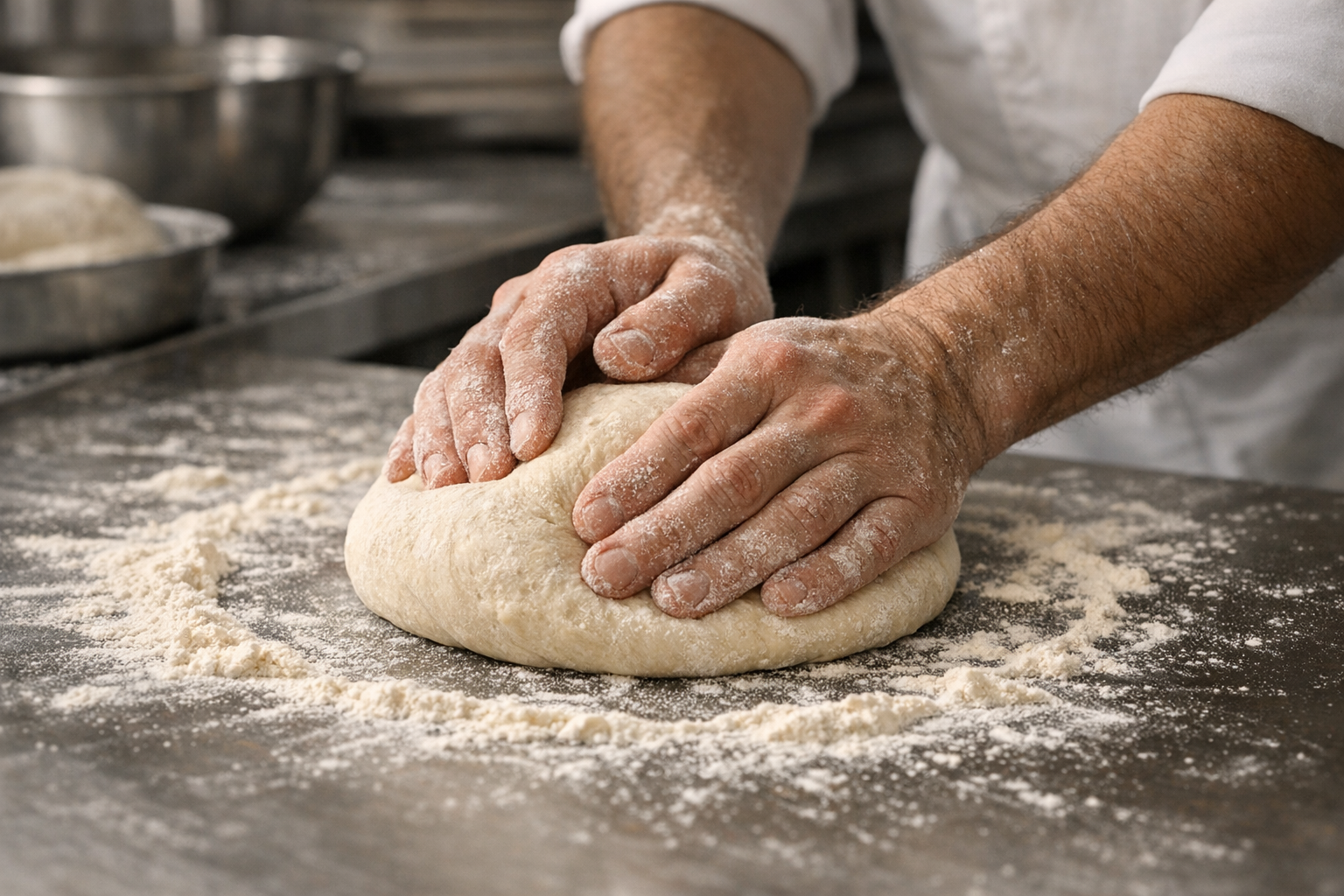
Dough Shaping Techniques
Skilled pizza makers shape dough by hand or using specialized equipment to achieve the desired thickness and shape. This process requires knowledge of dough handling to create the proper crust structure, ensuring the pizza maintains its form during cooking and delivery while achieving the desired texture profile.
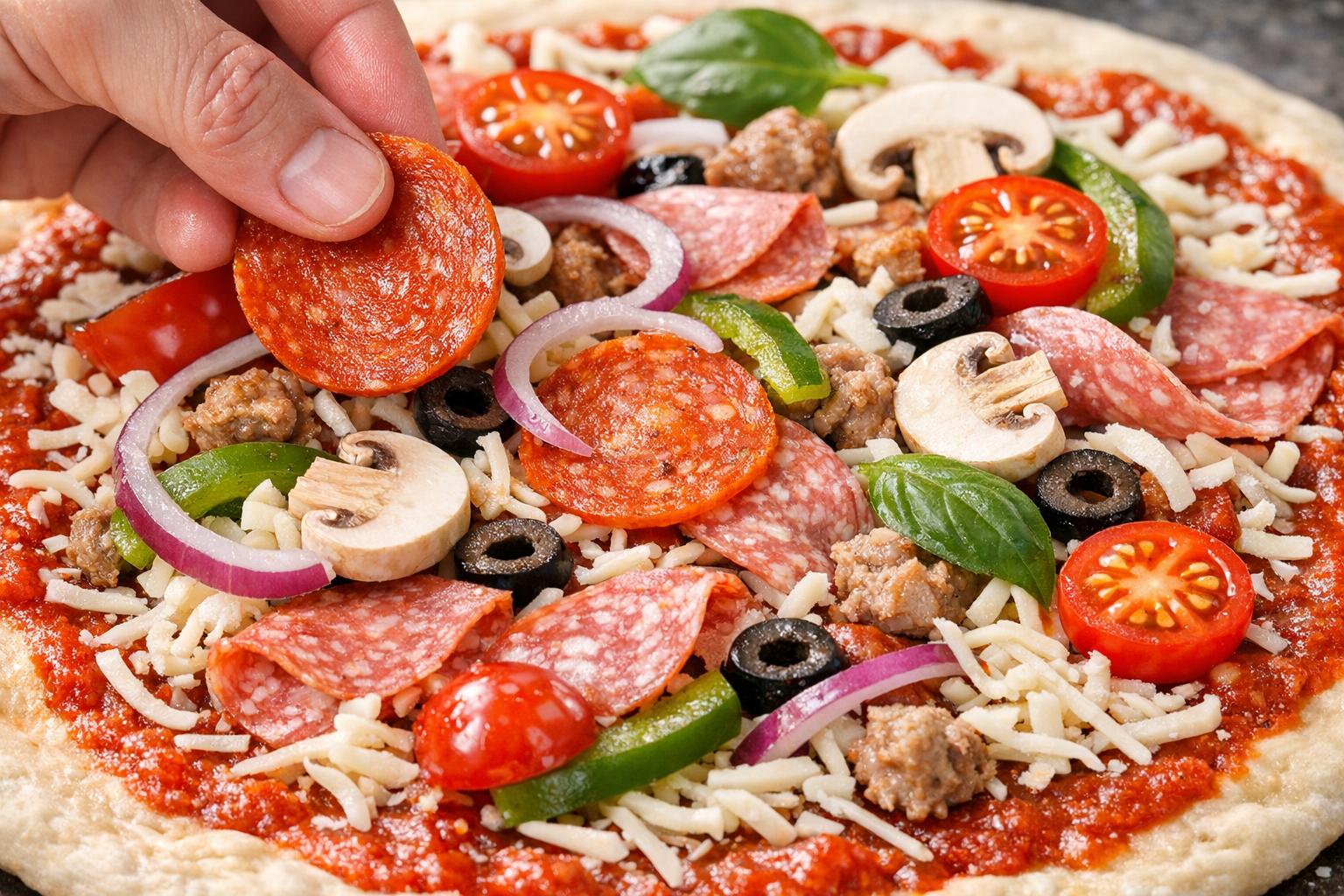
Topping Application Process
Toppings are applied according to customer specifications and standard recipes. This stage requires attention to ingredient placement, quantity control, and adherence to quality standards. Proper topping distribution ensures even cooking and optimal flavor distribution throughout the pizza.
Key Dough Preparation Considerations:
- Proper fermentation time for optimal flavor and texture development
- Consistent portioning to ensure uniform cooking and portion sizes
- Temperature control throughout the dough handling process
- Proper stretching techniques to achieve desired crust characteristics
- Quality checkpoints to identify and correct any dough irregularities
Cooking and Baking Process
Once assembled, pizzas undergo the cooking process, which represents a critical quality control point in the preparation workflow. Modern pizza kitchens utilize specialized ovens designed for high-temperature cooking that creates the desired crust texture and ensures proper ingredient cooking.
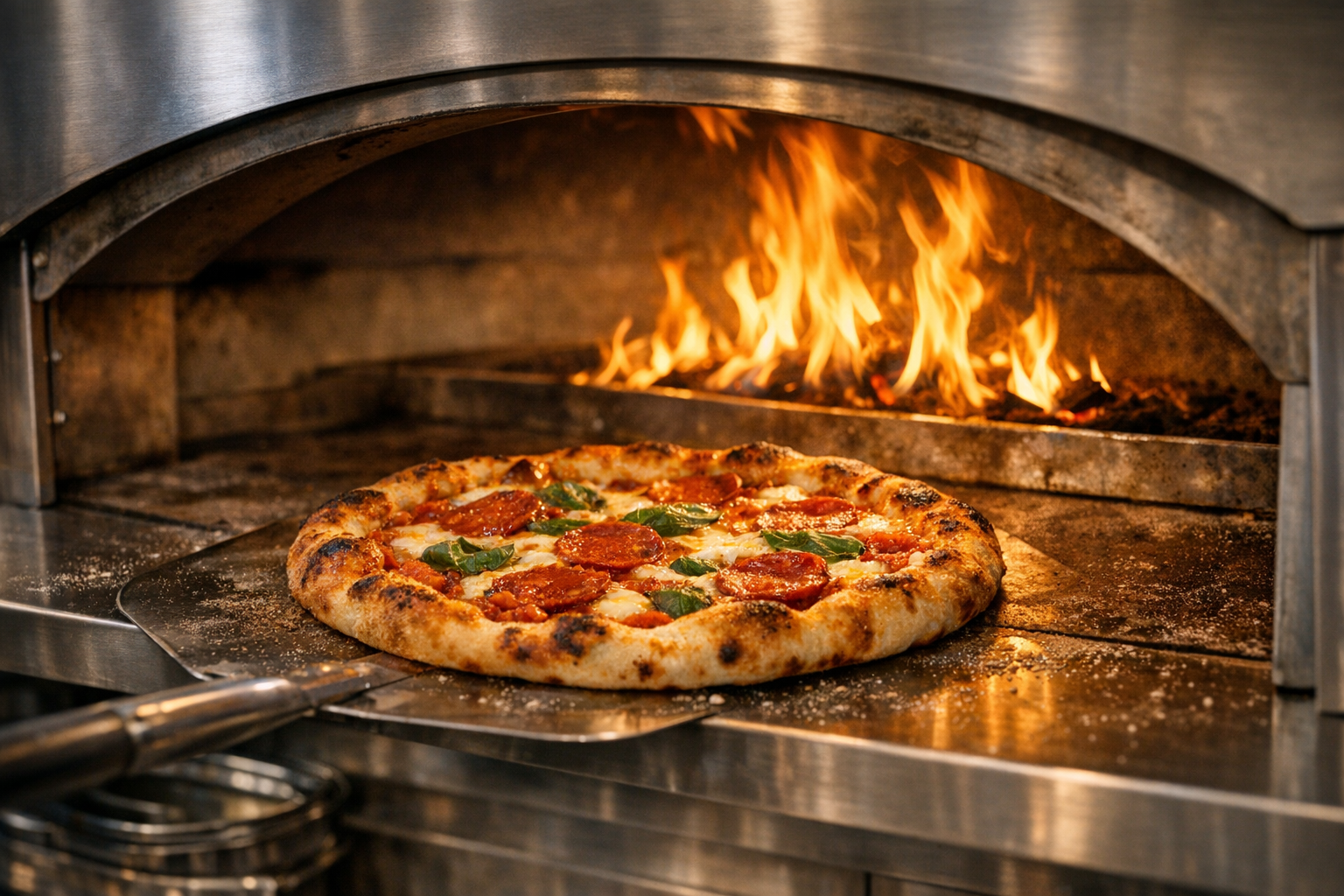
Oven Temperature Control
Commercial pizza ovens maintain specific temperatures optimized for pizza cooking. Temperature consistency is crucial for achieving proper crust development, ensuring toppings cook through without burning, and maintaining food safety standards. Different ovens may use various heating methods including wood, gas, or electric heating elements.
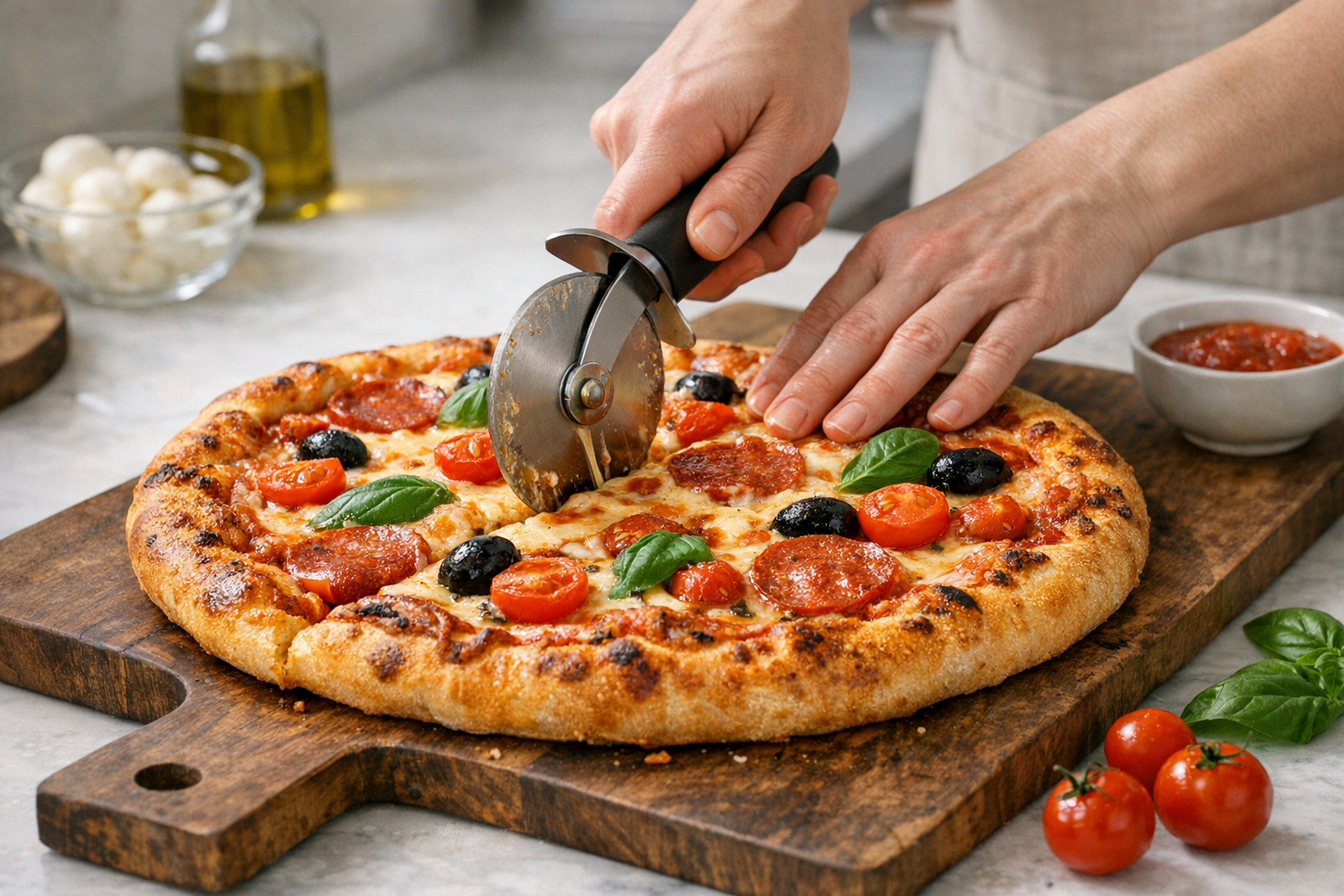
Cooking Time Management
Proper cooking time varies based on oven type, pizza thickness, and toppings. Experienced kitchen staff monitor cooking progress to determine optimal removal time, ensuring pizzas are fully cooked while maintaining quality. Precise timing is essential for meeting delivery schedules and customer expectations.
Quality Control During Cooking:
Quality control checks occur throughout the cooking process. Kitchen staff monitor crust development, cheese melting, and overall appearance to ensure pizzas meet established standards. Visual inspections help identify any issues before pizzas proceed to packaging and delivery stages.
Quality Control and Packaging
The final preparation stages involve quality verification and proper packaging to ensure pizzas arrive at their destination in optimal condition. These steps are critical for maintaining food quality during transport and ensuring customer satisfaction.
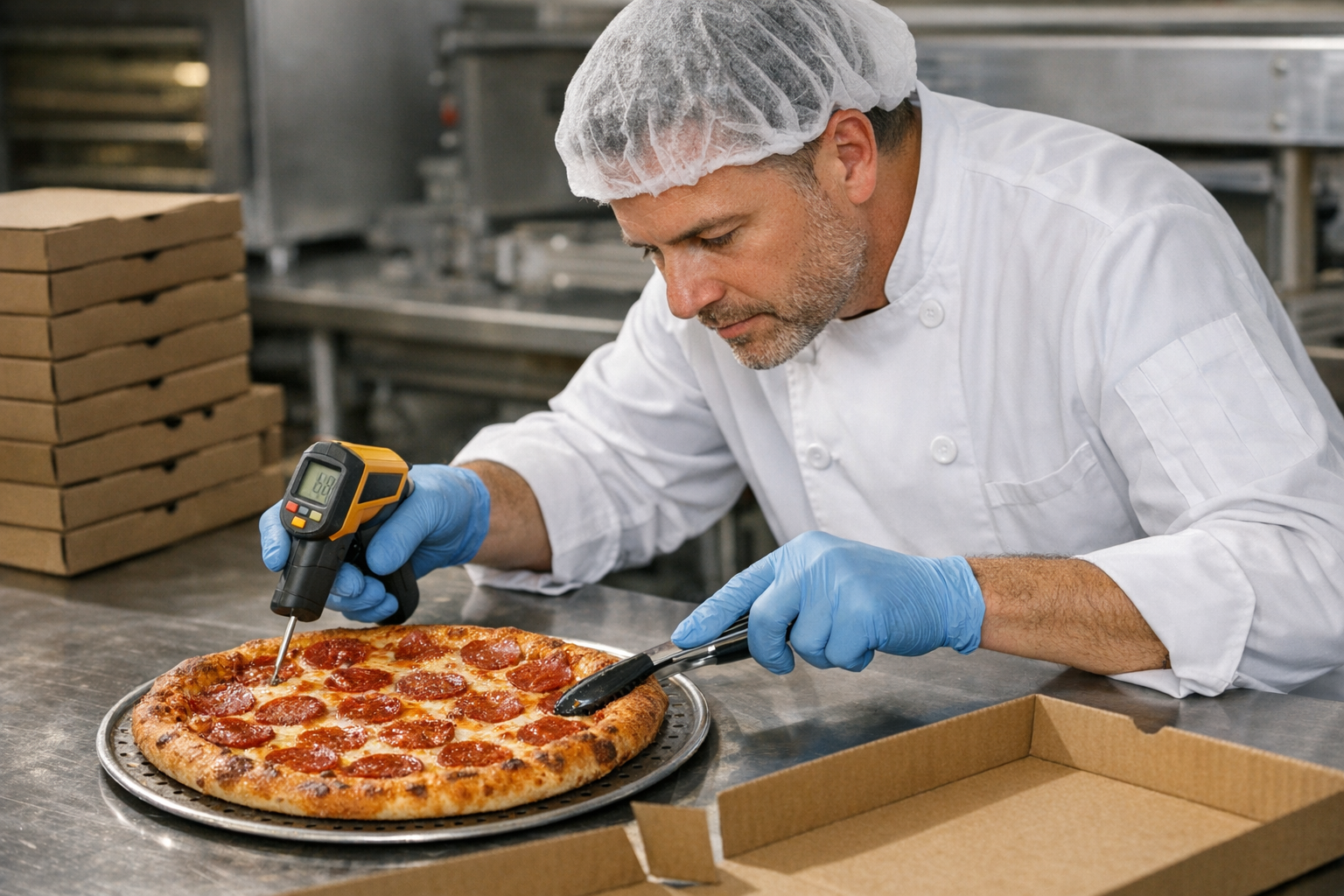
Pre-Delivery Quality Checks
Before packaging, pizzas undergo final quality inspections to verify order accuracy, appearance, and temperature. These checks ensure that each pizza meets quality standards before leaving the kitchen. Temperature verification is particularly important for food safety and customer satisfaction.
Packaging Standards and Procedures:
- Use of appropriate packaging materials designed for heat retention
- Proper sealing and ventilation to maintain temperature and prevent sogginess
- Secure packaging to prevent shifting during transport
- Order confirmation and labeling for delivery coordination
- Temperature maintenance through insulated delivery bags and proper handling
The Complete Preparation Workflow
The order preparation process follows a structured workflow designed to maximize efficiency while maintaining quality standards. Each step builds upon the previous one, creating a seamless progression from order receipt to delivery-ready pizza.
Kitchen Organization and Workflow Optimization
Efficient kitchen operations rely on careful organization and workflow design. Modern pizza kitchens implement workstation layouts that minimize movement, optimize material flow, and enable multiple orders to be processed simultaneously without compromising quality or timing.
Workflow optimization includes station placement, equipment positioning, and staff scheduling to handle peak demand periods while maintaining consistent output quality. Digital order management systems help coordinate kitchen activities with delivery operations, ensuring seamless handoff between preparation and logistics components.
Workflow Optimization Principles:
- Strategic workstation placement to minimize staff movement
- Parallel processing capabilities for handling multiple orders
- Clear communication channels between kitchen and delivery staff
- Real-time order tracking and priority management systems
- Standardized procedures for consistency and training purposes
Technology Integration in Kitchen Operations
Modern kitchen operations increasingly incorporate technology to enhance efficiency and quality control. Digital order display systems, inventory management software, and automated quality monitoring tools help streamline operations while maintaining human oversight for quality assurance.
These technological systems integrate with broader delivery platform infrastructure, creating end-to-end visibility from order placement through to delivery completion. This integration enables better coordination between kitchen operations and delivery logistics, optimizing overall system performance.