Delivery Logistics Explained
Understanding Delivery Operations
Delivery logistics form the operational backbone of any pizza delivery system. This comprehensive framework encompasses route optimization, time management, resource allocation, and spatial organization—all working together to ensure efficient, timely delivery to customers. The logistics system integrates technology, human coordination, and physical infrastructure to create a seamless delivery process from restaurant to doorstep.

Routing Concepts and Optimization
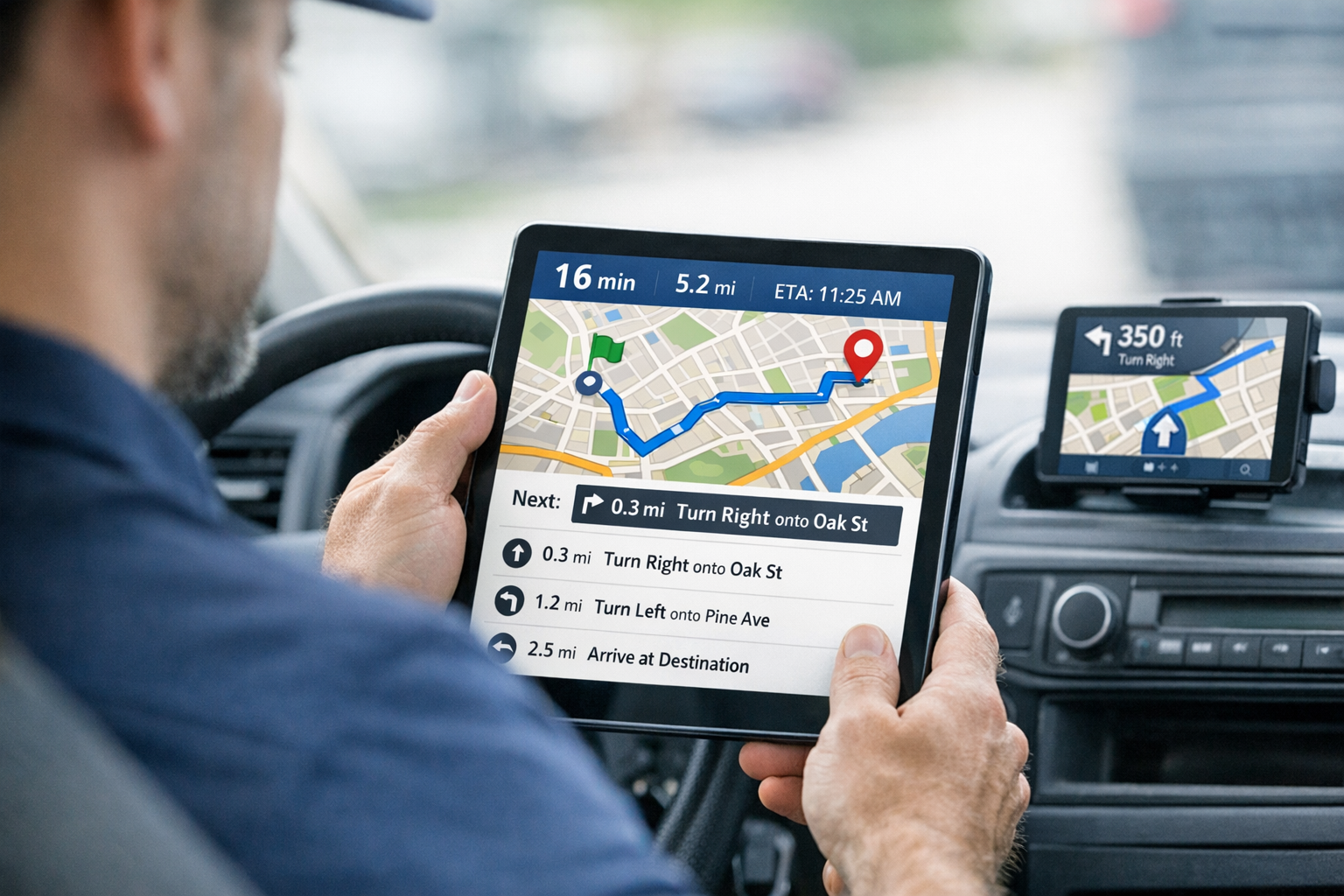
Route optimization represents one of the most critical aspects of delivery logistics. Modern systems employ advanced algorithms that analyze multiple factors including traffic patterns, road conditions, delivery density, and real-time constraints. These systems calculate the most efficient routes for each delivery driver, minimizing travel time and maximizing delivery capacity. The routing process considers both static factors like road networks and dynamic variables such as current traffic conditions, weather events, and temporary road closures.
Geographic clustering is another fundamental routing concept. This approach groups nearby deliveries together, allowing drivers to complete multiple orders within a single geographic area before moving to the next zone. This clustering strategy reduces total travel distance, improves time efficiency, and allows for better resource utilization. Advanced routing systems also incorporate predictive elements, forecasting demand patterns and pre-positioning delivery resources in high-traffic areas during peak periods.
Delivery Zones and Geographic Organization
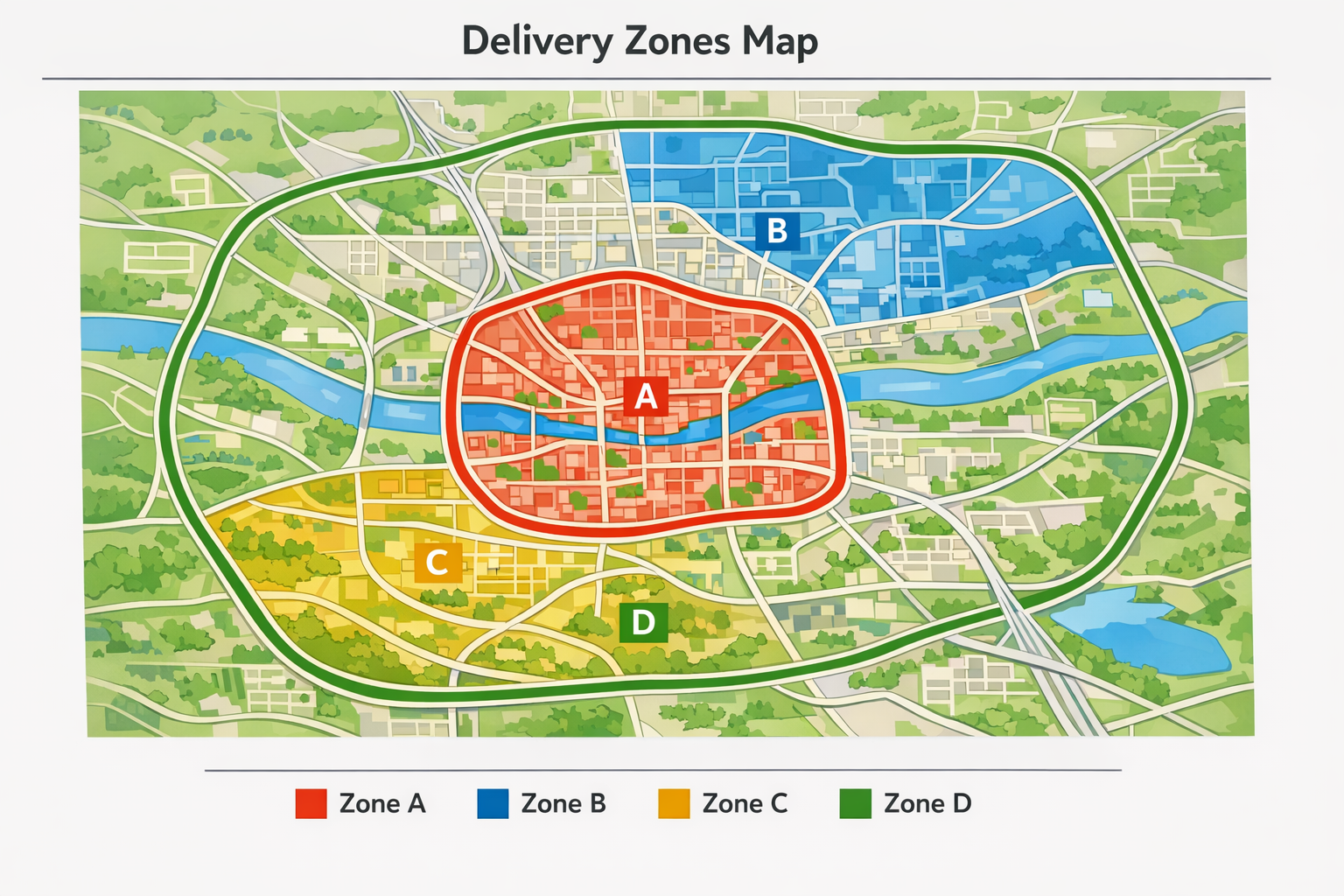
Delivery zones serve as the fundamental organizational unit for logistics operations. Geographic areas are divided into distinct zones based on factors such as delivery density, travel time, and accessibility. Each zone is assigned specific delivery resources, including vehicles and personnel, to ensure consistent service quality and manageable delivery times. Zone boundaries are carefully calculated using drive-time analysis rather than simple radial distance, accounting for actual road networks and travel patterns.
Zone-based organization enables efficient resource allocation and performance monitoring. Managers can track delivery metrics by zone, identifying areas that may require additional resources or operational adjustments. This structured approach also facilitates accurate delivery time estimates, as each zone has established average delivery times based on historical data and current conditions. Zone boundaries may be adjusted dynamically based on changing demand patterns, traffic conditions, or restaurant expansion.
Time Estimation and Service Standards
Accurate delivery time estimation requires sophisticated analysis of multiple variables. Logistics systems consider preparation time, cooking duration, packaging requirements, travel distance, current traffic conditions, and delivery volume when calculating estimated arrival times. These estimates are continuously updated based on real-time conditions, providing customers with the most accurate possible predictions while allowing for realistic expectations about delivery timing.
Service standards establish benchmarks for delivery performance across different geographic areas and time periods. These standards typically include target delivery times, acceptable deviation ranges, and quality assurance requirements. Advanced systems monitor actual delivery performance against these standards, generating detailed analytics that help identify operational bottlenecks and opportunities for improvement. Time estimation also factors in buffer periods to account for unpredictable variables such as traffic incidents, weather conditions, or customer availability.
Delivery Vehicles and Transportation Infrastructure
The choice of delivery vehicles significantly impacts logistics efficiency and service quality. Scooters and motorcycles offer superior maneuverability in urban environments, allowing drivers to navigate congested areas and access locations with limited parking. Automobiles provide greater carrying capacity and protection from weather conditions, making them suitable for suburban areas with longer delivery distances. Bicycle delivery systems offer environmentally friendly alternatives for dense urban areas with short delivery radii.
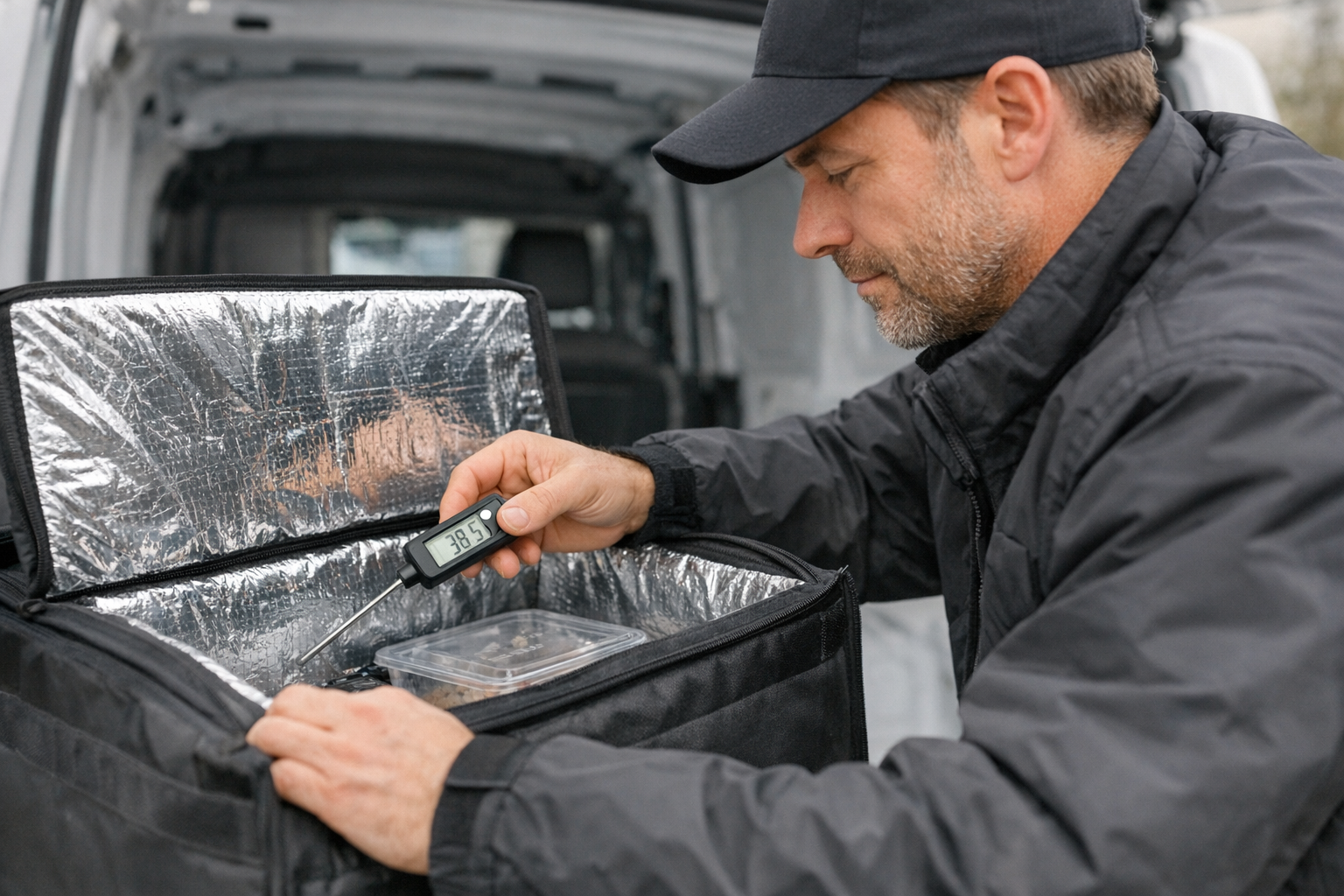
All delivery vehicles are equipped with specialized equipment to maintain food quality during transport. Insulated delivery bags with thermal lining preserve optimal serving temperatures, while secure mounting systems prevent spills and maintain order integrity. Vehicle maintenance programs ensure reliable operation, and backup transportation arrangements provide contingency plans for equipment failures. Modern delivery fleets increasingly incorporate hybrid and electric vehicles, reducing environmental impact while maintaining operational efficiency.

Delivery Logistics Process Flow
The complete logistics operation follows a structured sequence that ensures systematic delivery execution. This process begins when an order is marked as ready for pickup, triggering route assignment and driver notification. Drivers receive detailed delivery information including customer location, special instructions, and optimal route guidance. The system continuously tracks delivery progress, updating status information and providing real-time coordination between the restaurant, drivers, and customers.
Upon arrival at the delivery location, drivers complete final verification steps including order confirmation and customer handover. The system records completion data, updating inventory and triggering payment processing when applicable. Performance metrics are captured for each delivery, contributing to ongoing optimization of logistics operations. This comprehensive process flow ensures accountability, accuracy, and continuous improvement in delivery service quality.
Order Ready Notification
System identifies completed order for delivery
Route Assignment
Calculate optimal route and assign driver
Driver Dispatch
Driver receives delivery information and route guidance
Transit Monitoring
System tracks progress and coordinates updates
Arrival & Handover
Customer contact, verification, and delivery completion
Status Recording
Update system, capture metrics, close delivery
Customer Contact and Delivery Completion
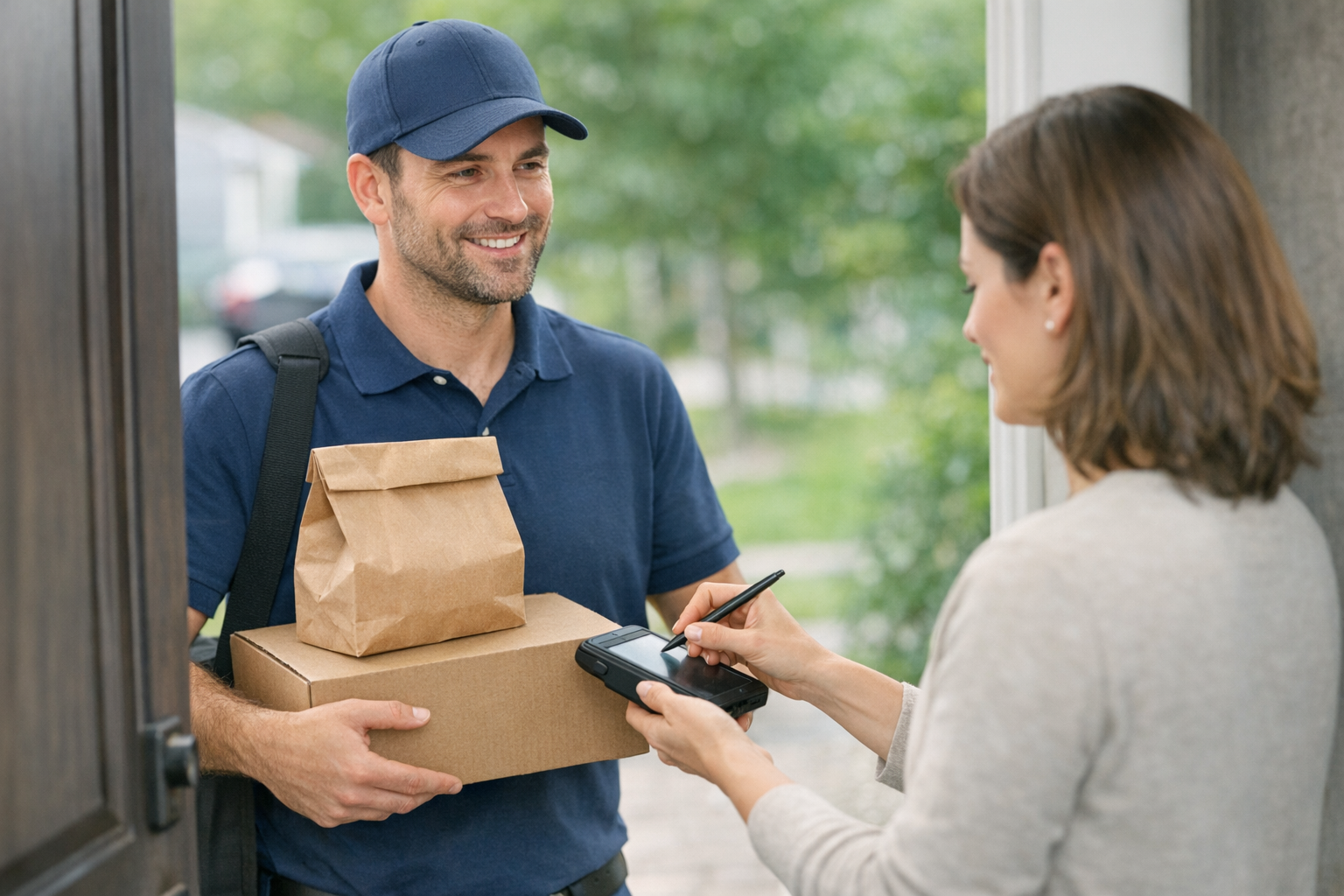
The final stage of delivery logistics involves professional customer interaction and accurate order fulfillment. Drivers contact customers upon arrival, confirming order details and ensuring the correct delivery location. Special instructions are verified and followed, including access codes, preferred delivery areas, or specific handling requirements. This customer-facing aspect of logistics directly impacts satisfaction and represents the culmination of the entire delivery operation.
Delivery completion triggers multiple system updates including order status changes, payment processing, and performance metric recording. Customer feedback may be collected at this stage, providing valuable data for service improvement. The system then updates availability for the delivery driver, enabling route assignment for the next order. This efficient cycle allows continuous operation throughout service periods, maximizing throughput while maintaining service quality standards.