Understanding Pizza Delivery Systems
A comprehensive educational exploration of how pizza delivery operations work, from order placement to doorstep delivery
Welcome to the Visual Educational Hub
This educational platform provides an in-depth examination of pizza delivery systems, breaking down the complex operational processes that enable millions of pizza deliveries to occur daily worldwide. Through detailed explanations, visual aids, and structured learning modules, visitors can gain a thorough understanding of the technology, logistics, and human coordination that make modern pizza delivery possible.
Pizza delivery represents a sophisticated blend of food service, transportation logistics, customer service, and technology integration. Understanding these systems provides valuable insights into modern operational management and the evolution of service delivery in the digital age.
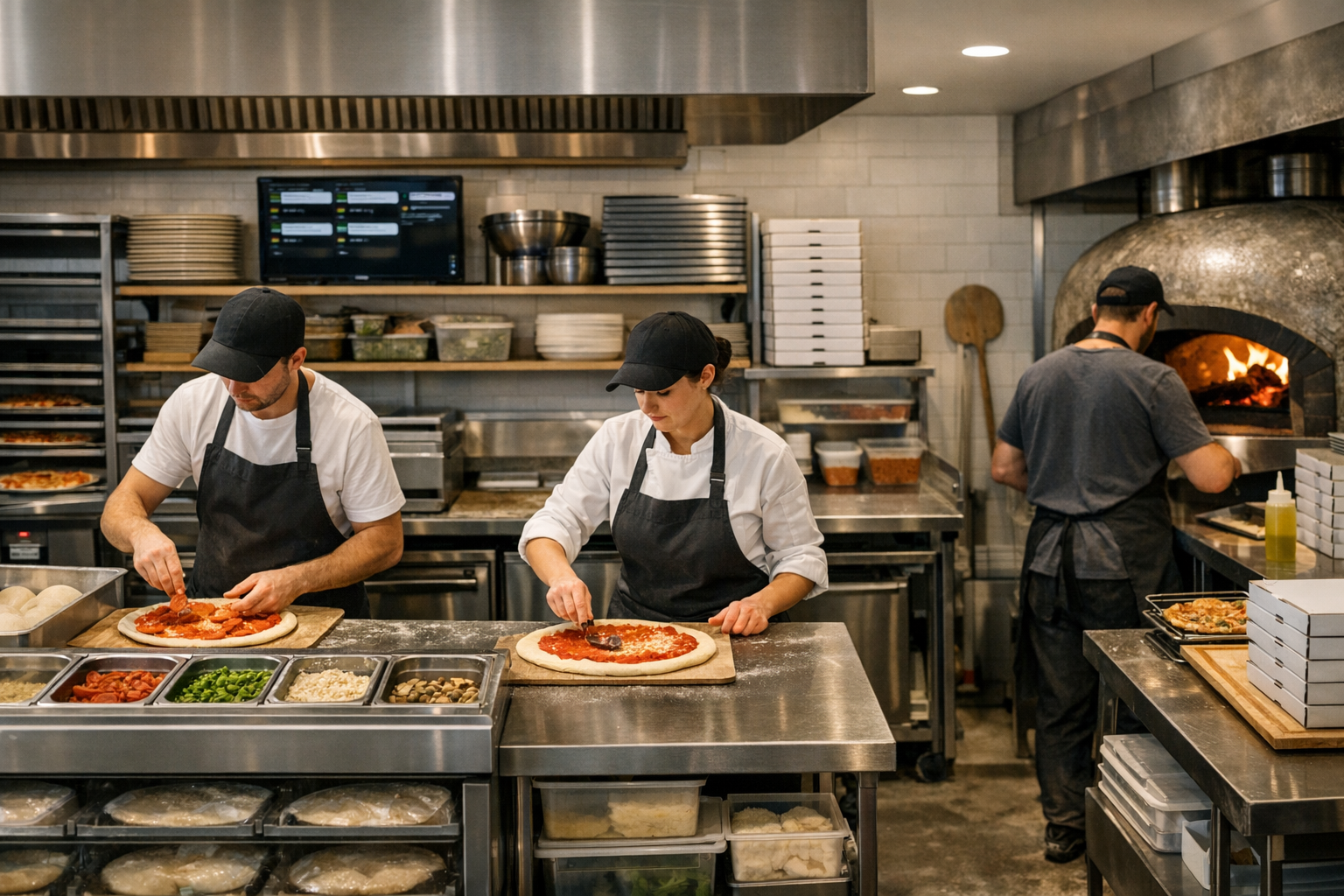
Core Components of Pizza Delivery Systems
Pizza delivery operations consist of several interconnected systems that work together seamlessly to provide efficient service. Each component plays a critical role in ensuring timely delivery, food quality, and customer satisfaction.
Order Preparation
The kitchen operations where pizzas are prepared, cooked, and packaged according to customer specifications and quality standards.
Delivery Logistics
The transportation and routing systems that coordinate driver activities, optimize delivery routes, and manage delivery timing.
Customer Experience
The end-to-end journey from order placement through delivery, focusing on user interfaces, tracking systems, and service quality.
Technology Integration
Digital systems that connect all components, including ordering platforms, POS systems, GPS tracking, and communication networks.
The Modern Delivery Ecosystem
Contemporary pizza delivery systems have evolved dramatically with technological advancement. What was once a simple phone-based operation has transformed into a sophisticated digital ecosystem involving multiple technologies, data analytics, and real-time coordination systems.
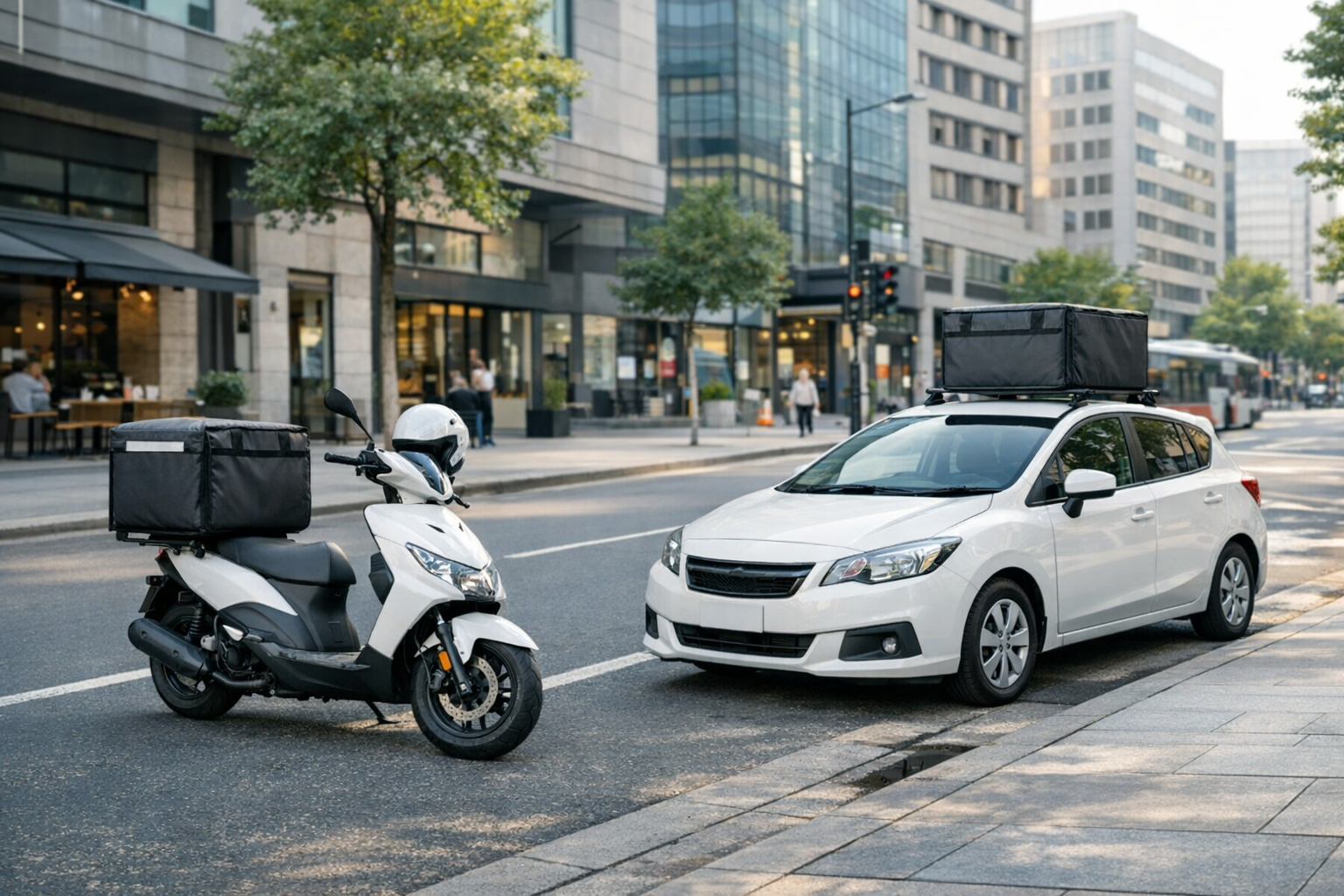
Transportation Infrastructure
Modern delivery systems utilize various transportation methods including delivery cars, scooters, and emerging autonomous vehicles. Each method offers different advantages in terms of speed, cost, and environmental impact, allowing delivery services to optimize their fleet composition based on local conditions and delivery demand patterns.
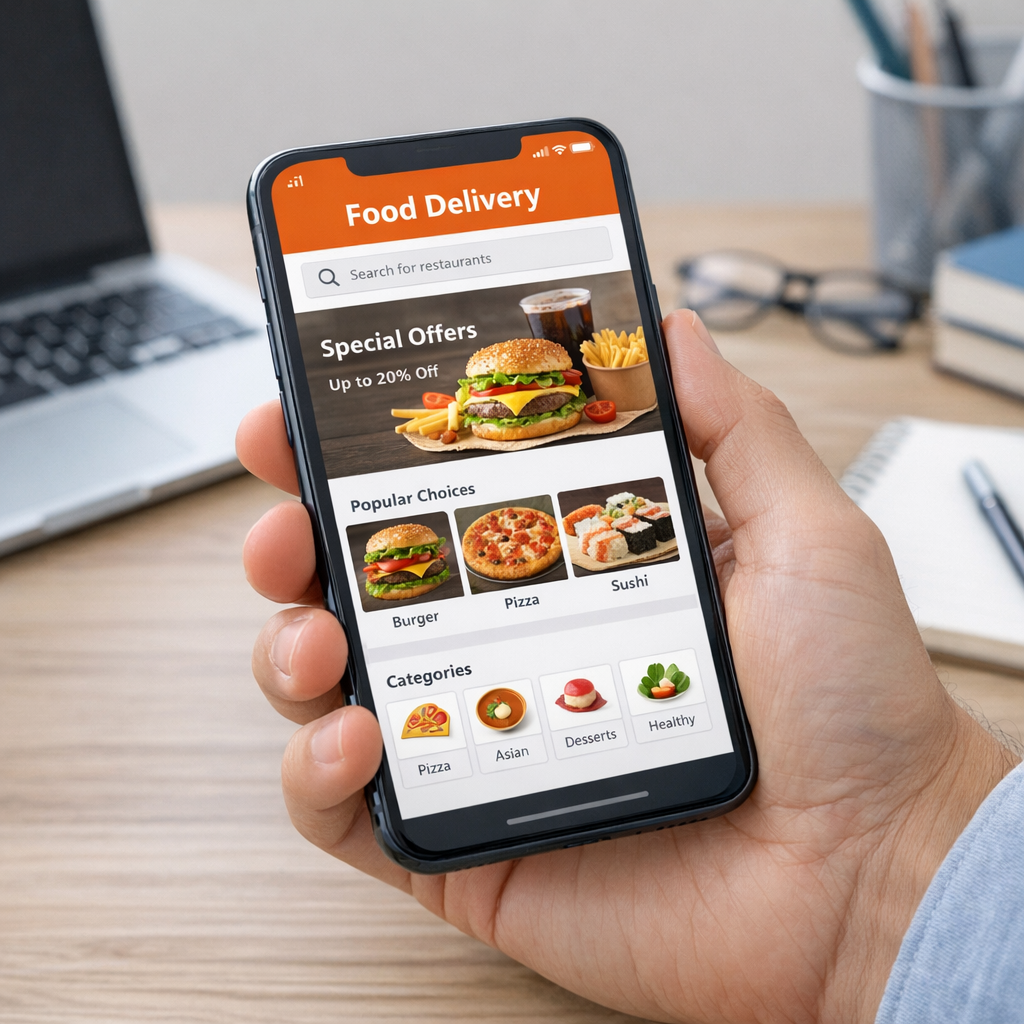
Digital Ordering Platforms
Mobile applications and websites have revolutionized how customers interact with delivery services. These platforms provide intuitive interfaces, real-time tracking, and personalized recommendations, creating seamless ordering experiences while collecting valuable data for service optimization and operational planning.
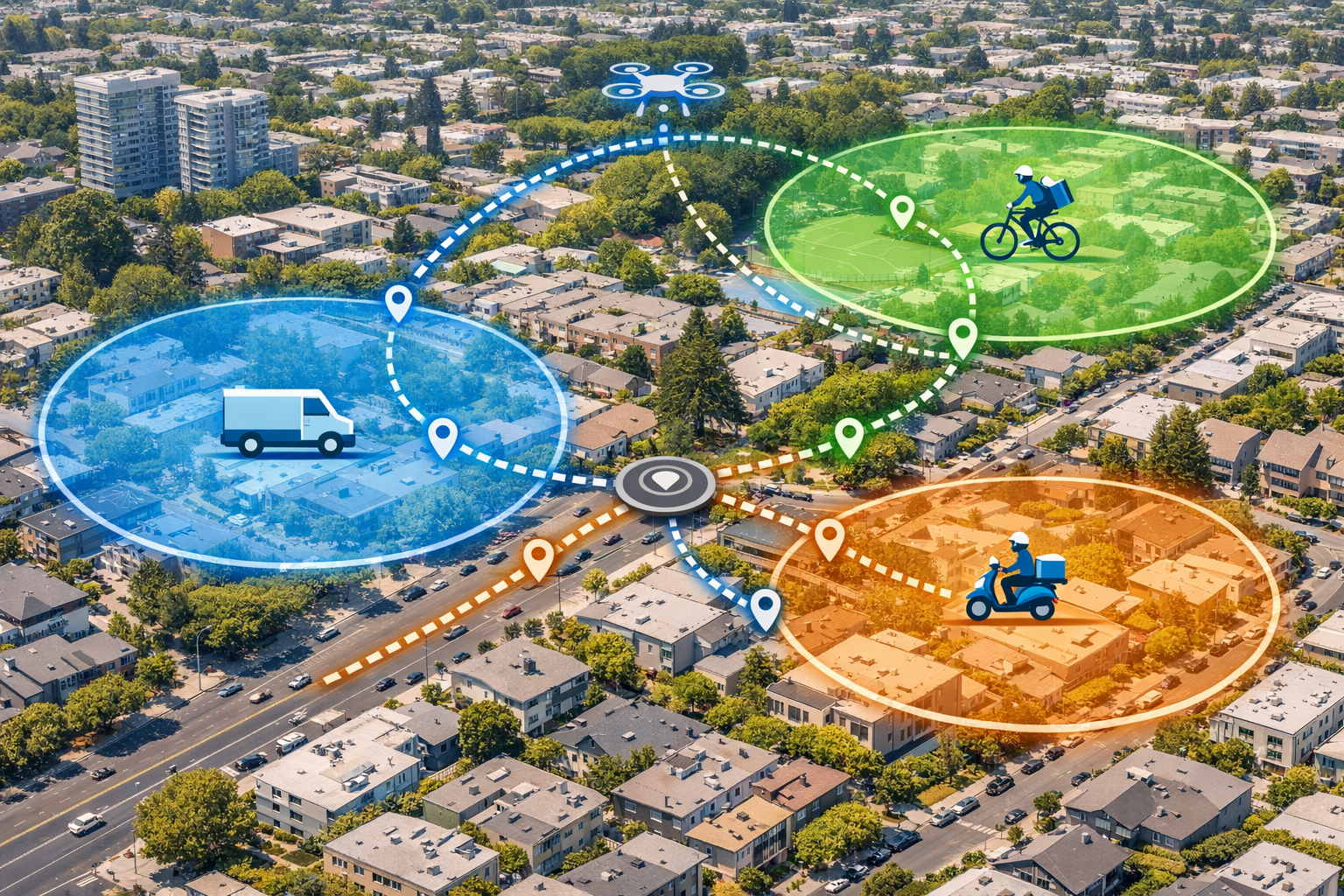
Geographic Routing Systems
Advanced mapping and routing algorithms divide service areas into delivery zones, optimizing routes for efficiency and enabling accurate delivery time estimates. These systems consider factors such as traffic patterns, delivery density, and driver availability to maximize operational efficiency while minimizing delivery times.
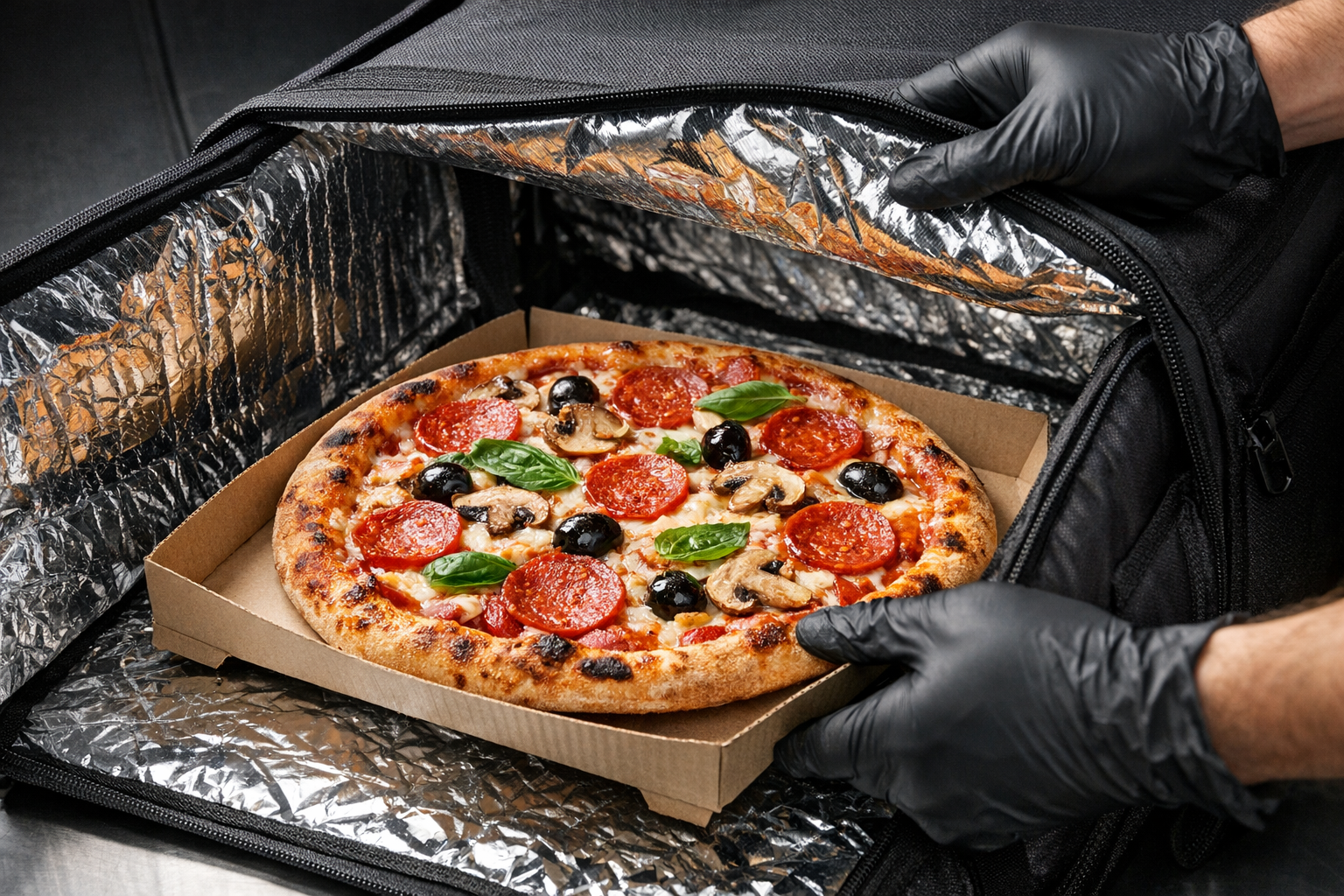
Quality Control Systems
Maintaining food quality during transport requires specialized equipment and standardized procedures. Insulated delivery bags, quality checkpoints, and temperature monitoring systems ensure that pizzas arrive in optimal condition, preserving the expected dining experience and maintaining customer satisfaction standards.
Industry Impact and Significance
The pizza delivery industry represents a significant sector of the broader food service and transportation economy. Understanding these systems provides insights into broader trends in service delivery, urban logistics, and digital transformation in traditional industries.
Key Industry Characteristics:
- Integration of digital technology with traditional food service operations
- Real-time coordination of distributed workforce across urban environments
- Application of logistics optimization algorithms to food delivery
- Evolution from phone-based to fully digital customer interactions
- Adaptation to changing consumer preferences and technological capabilities
Educational Value:
- Demonstrates practical applications of geographic information systems
- Illustrates principles of operations management and workflow optimization
- Shows integration of multiple technology systems in real-world applications
- Provides case study for customer service and experience design
- Exemplifies digital transformation in traditional service industries
Explore the Learning Modules
Dive deeper into specific aspects of pizza delivery systems through our detailed educational modules. Each section provides comprehensive information about a particular component of the delivery ecosystem.
Project Objectives
This educational hub aims to provide accessible, comprehensive information about pizza delivery systems for students, researchers, and anyone interested in understanding modern food delivery operations. The content is designed to be educational, objective, and free from commercial bias.
By breaking down complex systems into manageable components and explaining each aspect clearly with supporting visuals, this platform serves as a valuable resource for understanding how modern delivery operations function and the principles that make them successful.